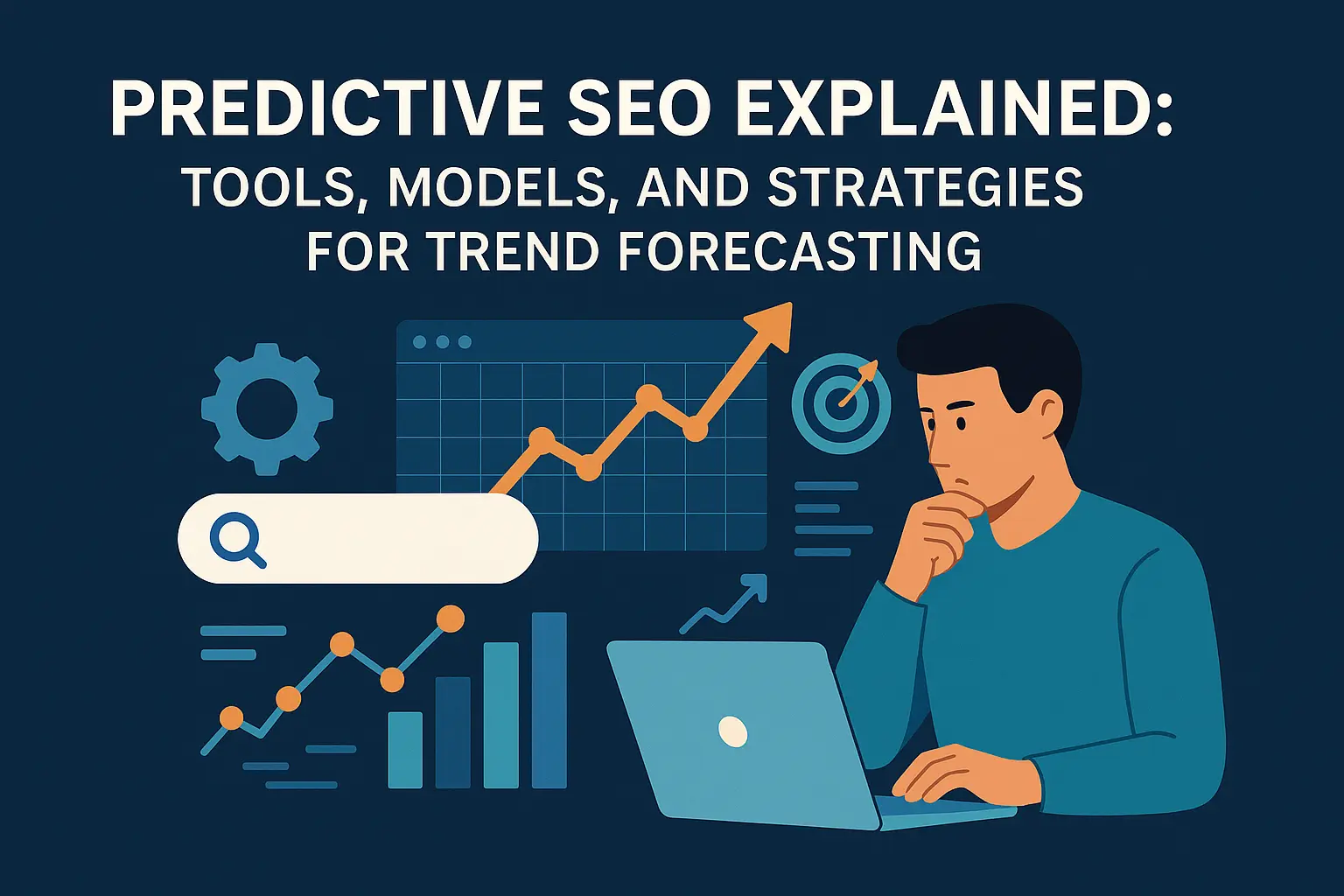
Discover how predictive SEO uses AI, machine learning, and data science to forecast search trends. This comprehensive guide explores advanced tools, forecasting models, and actionable strategies to help you rank for future keywords and stay ahead of the co
Search Engine Optimization has undergone a radical transformation—from reactive keyword targeting to proactive trend anticipation. Predictive SEO represents the cutting edge of this evolution, merging data science with search marketing to forecast opportunities before they become competitive battlegrounds. Unlike traditional SEO that analyzes historical data, predictive SEO employs advanced algorithms, machine learning models, and pattern recognition to anticipate search behavior shifts, algorithm updates, and content demand cycles. This comprehensive guide explores the sophisticated tools, methodologies, and implementation strategies that separate future-ready SEO professionals from their competition.
The Scientific Foundation: How Predictive SEO Actually Works
Core Predictive Models in Modern SEO
- Time-Series Forecasting Models
- ARIMA (Auto-Regressive Integrated Moving Average): Analyzes search volume patterns with seasonal decomposition to project future keyword trends
- Prophet Model (Facebook): Handles missing data, outliers, and holiday effects in search behavior prediction
- LSTM Networks (Long Short-Term Memory): Deep learning approach that captures long-term dependencies in search query evolution
- Behavioral Prediction Models
- User Intent Evolution Mapping: Tracks how informational queries transform into commercial intents over time
- Cross-Platform Signal Correlation: Connects social media discussions, news trends, and emerging search patterns
- Semantic Clustering Projection: Anticipates how topic clusters will expand based on knowledge graph development
- Competitive Landscape Forecasting
- Content Gap Emergence Prediction: Identifies topics that competitors will likely target in upcoming quarters
- Ranking Volatility Models: Predicts SERP shake-ups based on algorithm update patterns and seasonal factors
- Authority Migration Tracking: Forecasts how domain authority will shift between competing sites
The Predictive SEO Toolkit: Essential Software and Platforms
Advanced Predictive Analytics Platforms
- MarketMuse Predict: Uses AI to forecast content opportunities with the highest ROI potential
- BrightEdge DataMind: Applies machine learning to rank shift prediction and opportunity modeling
- seoClarity Predictive Insights: Combines search, social, and news data for trend forecasting
Custom Predictive Implementations
- Python-Based Forecasting Stack: Scikit-learn, TensorFlow, and Prophet for custom prediction models
- BigQuery + Google Trends API: Large-scale pattern recognition across millions of search queries
- Custom Alert Systems: Real-time notifications for emerging patterns matching predicted criteria
Cross-Channel Predictive Integration
- Social Listening to Search Prediction: Tools like Brandwatch and Talkwalker that connect social trends to search volume
- News Analytics Correlation: Platforms that measure media coverage impact on search behavior
- E-commerce and Search Integration: Amazon trend data predicting Google Shopping and organic search shifts
Strategic Implementation Framework
Phase 1: Data Infrastructure Establishment
- Multi-Source Data Aggregation: Integrating search console data, rank tracking, competitor intelligence, and user behavior metrics
- Historical Data Enrichment: Building at least 24-36 months of historical data for pattern recognition
- Real-Time Data Pipelines: Establishing automated flows from Google Trends, news APIs, and social platforms
Phase 2: Model Development and Training
- Industry-Specific Pattern Identification: Different seasonal and cyclical patterns across verticals
- Query Type Classification Models: Distinguishing between evergreen, cyclical, and ephemeral search patterns
- Impact Weighting Algorithms: Determining which predicted opportunities deserve resource allocation
Phase 3: Predictive Content Strategy
- Content Calendar Projection: Planning content 3-6 months ahead based on predicted search demand
- Resource Allocation Optimization: Directing creative and production resources toward forecasted high-ROI topics
- Risk-Adjusted SEO Investment: Balancing predicted high-reward opportunities with stable evergreen content
Practical Applications and Case Studies
E-commerce Predictive Success Story
A fashion retailer implemented LSTM networks to predict search trends 90 days ahead, resulting in:
- 47% increase in traffic for newly launched products
- 34% reduction in content production waste
- Early domination of "cottagecore aesthetic" searches 8 weeks before peak demand
B2B Technology Forecasting Implementation
A SaaS company used ARIMA modeling to forecast technical query evolution, achieving:
- 62% faster ranking for emerging technology terms
- 28% increase in lead quality through early intent targeting
- Successful prediction of "zero-trust architecture" search surge 4 months before competitors
Local Service Prediction Model
A home services company combined local search data with weather pattern analysis to:
- Predict plumbing emergency search spikes with 82% accuracy
- Optimize service area expansion based on predicted demand maps
- Achieve 41% higher conversion rates through preemptive content
Advanced Predictive Techniques
Algorithm Update Forecasting
- Google Update Pattern Analysis: Identifying seasonal patterns in core updates
- Recovery Opportunity Prediction: Forecasting which algorithm-hit sites will create content gaps
- Feature Rollout Anticipation: Predicting when search features will expand to new verticals
Voice and Visual Search Prediction
- Conversational Query Projection: Anticipating how typed queries evolve into spoken questions
- Visual Search Trend Mapping: Connecting visual content trends to traditional search behavior
- Multi-Modal Search Integration: Forecasting how different search interfaces will influence query patterns
International and Multilingual Forecasting
- Cross-Regional Trend Translation: Predicting when trends will jump between language markets
- Localization Timing Optimization: Determining the ideal moment to localize predicted high-potential content
- Cultural Event Impact Modeling: Forecasting how global events will influence regional search behavior
Ethical Considerations and Limitations
Prediction Accuracy Realism
- Acknowledging Inherent Uncertainty: No predictive model achieves 100% accuracy
- Confidence Interval Communication: Transparently sharing prediction reliability with stakeholders
- Continuous Model Refinement: Regular retraining with new data to improve accuracy
Data Privacy Compliance
- User Anonymization: Ensuring predictive models don't compromise individual privacy
- Cross-Border Data Regulations: Navigating GDPR, CCPA, and other privacy frameworks
- Ethical Use Boundaries: Establishing guidelines for appropriate prediction applications
Future Developments in Predictive SEO
Quantum Computing Applications
- Processing exponentially larger datasets for pattern recognition
- Simulating multiple SERP futures simultaneously
- Real-time adjustment of predictions based on live data streams
Generative AI Integration
- Automated content creation aligned with predicted opportunities
- Dynamic meta-description and title tag generation based on real-time intent prediction
- Personalized content variation testing at scale
Cross-Reality Search Prediction
- Forecasting search behavior in AR/VR environments
- Predicting how traditional search will integrate with immersive experiences
- Preparing for 3D and spatial search interfaces
Implementation Roadmap: Getting Started with Predictive SEO
Immediate Actions (First 30 Days)
- Audit existing data collection and integration capabilities
- Identify 2-3 high-value prediction opportunities specific to your industry
- Implement basic time-series forecasting for core keyword groups
- Establish prediction accuracy measurement baseline
Medium-Term Development (3-6 Months)
- Develop custom models for your specific prediction needs
- Integrate cross-channel data sources into prediction models
- Train team members on interpretation and application of predictions
- Establish predictive insights integration into content planning processes
Long-Term Advancement (6-12 Months+)
- Implement real-time prediction adjustment systems
- Develop proprietary prediction algorithms unique to your competitive advantages
- Create prediction-driven automated content systems
- Establish thought leadership through published prediction accuracy and case studies
Conclusion:
Predictive SEO represents more than just technological advancement—it embodies a fundamental shift from reactive to proactive search strategy. The organizations that will dominate future search landscapes aren't necessarily those with the largest budgets, but those with the most accurate foresight. By embracing predictive models, tools, and strategies, forward-thinking SEO professionals can transition from fighting in crowded keyword arenas to creating new search territories altogether.
The barrier to entry isn't primarily technological but conceptual: developing the organizational willingness to act on probabilities rather than certainties, to invest in foresight rather than hindsight, and to build systems that learn and adapt rather than simply execute. In the accelerating digital landscape, predictive SEO isn't merely an advantage—it's becoming the essential framework for sustainable search visibility and authority.